My child is autistic. He doesn’t do well with change. Even little things that would be meaningless to most people.
For example, his hairbrush was getting old and worn. He had chewed the end of it. The cats had chewed some bristles. It was dirty and dusty. But I didn’t say anything. Because it’s his hairbrush.
Finally, he said he thinks it’s time for a new brush. Ok, I say, we’ll put it on the shopping list, and get one next time we’re in town.
So we go to town and we go to the store. There are many hairbrushes to choose from. He picks one and they even have it in his favorite color. We buy it, take it home, and remove the packaging.
I go to put it on the shelf where the old hairbrush is. Can we throw out the old one, I ask.
That’s when he stops. That’s when he freezes and gets a momentary look of panic on his face. Throw out the old one? That hadn’t occurred to him.
Because here’s the thing. Hair brushing is a part of his morning routine. And not just hair brushing, but hair brushing with that particular brush. To most people, the act of hair brushing is the routine, but not the brush itself. The objects are interchangeable. But not to my child. Not to someone with autism. The brush itself is just as important as the act of brushing.
So I take a breath. I put the old brush down. Think about it, I say. Let me know tomorrow what you want to do with this brush.
He decides. He realizes keeping an old hairbrush is not necessary. But it’s still important to him. So he asks if I can cut off one bristle. To keep. As a memory of the old hairbrush.
I don’t laugh. I don’t tell him it’s silly. I respect his need. I cut off the bristle. He puts it in his treasure box, along side some smooth rocks, beads, sparkly decals, a Santa Claus charm from a classmate, a few other things meaningful to him.
He throws the old hairbrush away himself. He is able to move on, and accept the change.
Know what I want more of in my fiction? “Nice Guy” villains. “Incel” villains. Villains who exhibit the most toxic aspects of current masculinity and culture and are shamed for it.
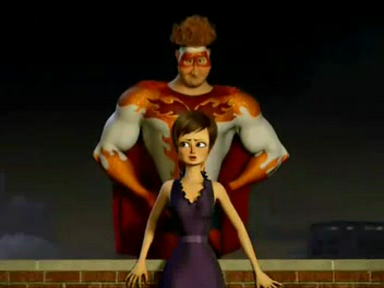
Like Tighten from Megamind.
I know it’s years old but this movie is still the best, especially because of the characterization of their villain. He receives a dozen soft no’s from Roxanne (the Lois Lane archetype), it’s suggested he’s been getting them for years, and he still pursues her even to the point of endangering her life. When he finally understands that her “no” is final, he throws a superpowered shit fit and tries to kill her and her actual love interest (Megamind) and televises it in a ploy to get sympathy (”a reminder of the night she ferociously ripped out my heart”). He has no concept of boundaries or consent, and it is shown for the vile behavior that it is.
And the thing is? I can’t remember another villain like him? Not anywhere. You could make an argument that Snape is a Nice Guy, but the narrative doesn’t criticize the behavior. To the contrary, his eternal love obsession with Lily is praised. Every character who comes even close to Tighten, ends up praised by the end. And I’m sick of it.
Get on Megamind’s level, screenwriters.
Megamind is a great movie and I will defend it to the high heavens.


 The NewDugWood Daily Titbit