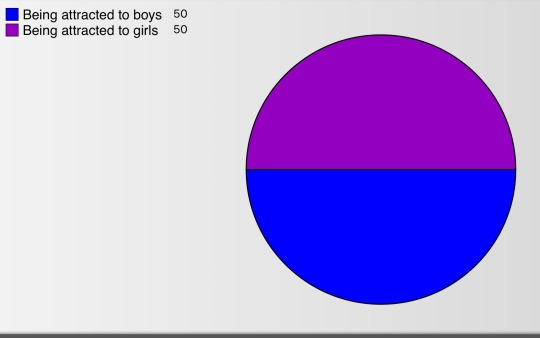
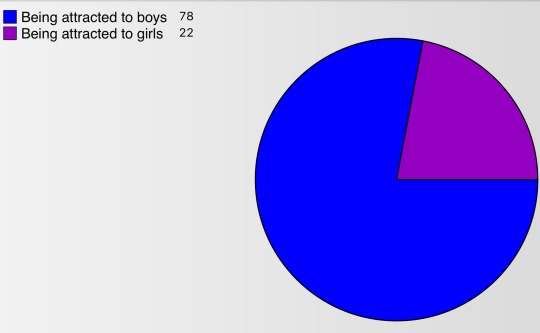
so many people asume that bisexuality works like this:
but it differs from person to person
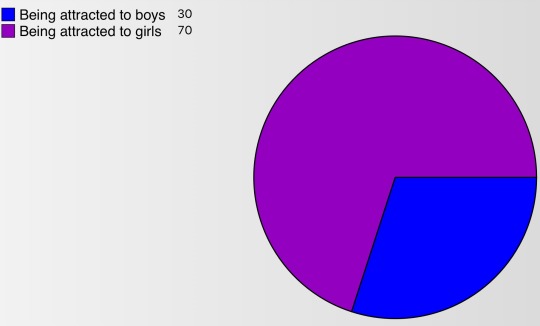
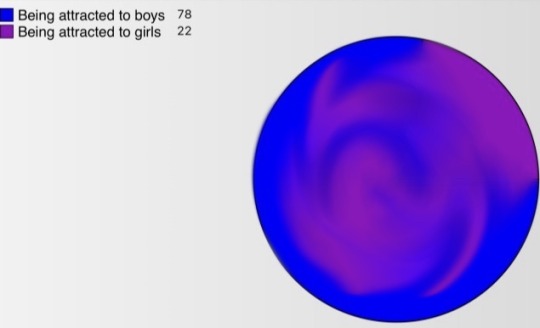
for me it is more like this:
or some days this:
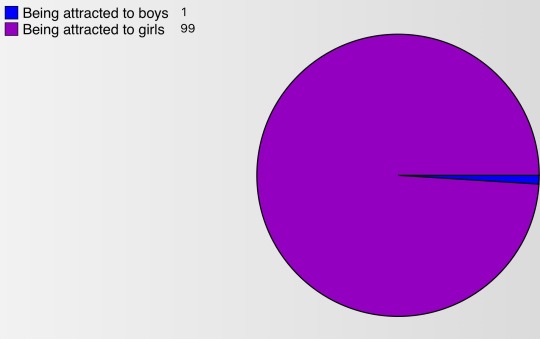
for some people it works like this:
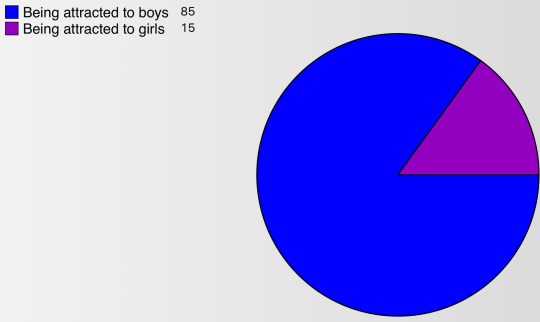
or
it just depends on them and their feelings
some times people are more attracted to one gender rather than the other, that does not make them any less of a bisexual
Reblogging this for any bi followers
FINALLY something that explains it right!!!!!
THIS
it’s also often like this too
I have a terrible idea for an SU AU
There’s no title, and many others probably had this same idea but did it twice better… But it kinda involves maybe the Diamonds, or one of their gem soldiers finding this strange stuff on the ground: like it’s unknown what it is, seems to be a plain splat but they take it anyway for some reason. They don’t see a lot in it, they think it’s dead, but still, keep it for some reason…
So Pink maybe finds it one day, maybe out of running away due to another outburst by one of the others… I’m not sure, but it’s by complete accident. And upon finding it, this ’entity’ starts speaking to her. Pink has no clue but generally starts to open up and talk back to it, first out of fear but eventually gets to know it better.
This kind of stuff continues every time Pink is left to her own devices: she goes to talk to the Entity and starts revealing stuff about Homeworld and the rest of the Diamond Authority. All while the Entity takes note of this… Of course, not for anything positive. I can’t explain, but this thing isn’t too fond over the fact that it was basically locked away despite calling for help and being experimented at times. So now it’s kinda bidding its time, waiting to find the right opportunity to get back. Along the way, it kinda manipulates Pink subtly by feeding her along about the other Diamonds, how to talk/stand up to them, how they aren’t fond of her… All while pretending to be this kind, helpful source for Pink to let out her feelings.
Then, Pink’s OG Pearl gets taken from her.
Pink is devastated, to which the Entity uses to its advantage. It manages to convince her of how to get her Pearl back through one sacred technique: fusion. Pink isn’t sure, mostly because of how exactly it might work, but the Entity assures her everything will be fine, and that’s its already found away around it. So they do….
The Entity, of course, uses Pink against the other Diamonds, not as an attempt to get back Pink Pearl, but as a way to get back at the Diamonds for its suffering: it forces White Diamond to be, essentially a statue, always in one place, smiling, but never in control of what she says or does. And if she does trying breaking out, she ends up with her gem beginning to crack until she essentially shatters herself.
Then, it forces Yellow to be ’happy’(as Pink had always wanted her to be): which meant carving a nice little Glasgow-esque grin on to her face and have her happy all the time. Similar to White, if Yellow falters, her form starts disappearing and wavering… Though in her case, she’ll probably end up corrupted.
Now, the Entity attempts to get to Blue, but Pink manages to get through and get Blue(albeit reluctantly) to leave her and head to Earth. This also sounds off an alarm which causes some of the Gems on Homeworld to evacuate to Earth as well, like a last resort, in which Pink, fighting the Entity than surround the Earth in a bubble to protect it…
And that’s kinda of the gist. More on it later, but I do need to know if this needs any fixings… Cause this sounds like it sucks 😅
ADHD culture is saying “what?” when you heard the question someone asked you but… It didn’t fucking… Register… In the brain? And then you hear the question before they ask again and interrupt them when they’re talking because now you’re An Asshole™ who understands
Someone: Hey what time is it?
Me: What?
Someone: Wha-
Me: It’s 3:20
Here’s Dolorite(the fusion of Labradorite, Pink Spinel, and Angelite), in both her Homeworld and Crystal Gem Design
On the internet, the most common advice for developing characters I’ve found is to fill out a character questionnaire. It’s everywhere. What’s the best way to get to know your character, you ask? Fill out this form, they answer.
The official NaNoWriMo questionnaire is forty-six questions long, guys. Forty. Six. Questions.
This may work perfectly for some people, but I look at those things and die a little on the inside.
I know I can’t be the only person who hates character questionnaires, so if you’re not a fan of forms and also have no idea where to start with your character, I thought I would share my list of things I know about my characters before I start writing.
It is not a list of forty-six things. It’s a list of four.
1. Their Role
Character is story and story is character. You can’t have characters taking up pages and doing nothing. For me, knowing the character’s role in the story means knowing who I need my character to be. Even if a story is character-driven, the first thing you should decide is what about the character is actually driving the story. The role can be specific: a girl grieving for her murdered aunt decides to solve her murder. The role can be vague: the protag’s best friend. No matter what, it’s the reason this character is in your story.
2. Their Name
In real life, our names don’t usually say too much about our characters. This is not the way in fiction. Your name can say everything about your character. Whether it reveals the big stuff: Remus Lupin, Luke Skywalker. Or whether it just sets the tone of the character: Chad, Fitzwilliam, Lily. Choose the name carefully and you can get a rough sketch of a character based on it alone.
3. What Makes Them Unique
In a writing workshop, my instructor once had the class do a character building exercise. She had us close our eyes and imagine our character’s shoes. What sort of shoe were they? What color? Were they scuffed? Polished? We worked our way up the rest of the character, but first, we knew what their shoes looked like.
Having that one piece of information gave us something to use to inform the next piece of clothing, which informed their hair style, which informed the next thing, until we had a clear picture of our entire character.
It’s easier figuring out the smaller details of your characters and working your way to a composite than it is to start with a big picture. When you’re just getting to know your character have a few small, specific details about them that give you an idea of exactly who this person is and, more importantly, make you interested in this character.
Usually I like to have a mix of physical details and personality details. The best usually speak to both. They’re details that can be built upon. They give an impression of a larger picture. For example:
She has the nose of a Fox and the character of one too.
Her hair is always tied up in a messy ponytail.
She likes to wander through the garden when she can’t sleep at night.
For me, these details usually don’t change, no matter how many drafts I work through. The details are usually the reason I like writing about this character in the first place.
4. Where they’re sorted
When you’re writing, you need to be able to answer the question “what would X do next?” Therefore, you need to know something about your character that will help you answer that question.
How do you do this? Luckily, society likes categorising people, so there are a lot of shortcuts you can take to find a way to answer that question for every single character in your novel. You can use the Myer-Briggs system, the zodiac, even the question: cat person or dog person?
Personally, I like using Hogwarts Houses. For three reasons:
It identifies a key personality trait.It isn’t the character’s only personality trait, but it’s something to start with. Matching this with the list of things I know about my character usually defines the character completely.
It focuses on characters’ motivations. It makes me define the person at their core. I can use it as a sort of compass when guiding my character through the plot. It also vaguely answers the question what does this character want: knowledge, power, glory, friendship?
I speak the language fluently. I am my own sorting hat. I can look at anyone, sort them into a house and tell you how it fits into their strengths and weaknesses. With fictional characters as well. I don’t have to think about it. When they make a decision, I don’t need to ask myself: is this in character or out of character? I just know.
Once I know these four things, I write the first draft. I let my characters grow with the plot, using those small things I know about them to guide the rest of their development. At the end of the draft, I reevaluate my character. My list of unchanging facts about the character quadruples. Instead of using their Hogwarts House to guide their decisions, I identify single, solid goals.
The best thing about this is that it works for developing both minor and major characters. For minor characters, this information is usually all I need. Even that grocery clerk who only speaks once can have a name, a Hogwarts house and a couple of distinguishing characteristics. For more major characters, it’s the groundwork for a character I enjoy writing about.
There’s a lot of talk about physical violence and employment discrimination against trans people, but there’s one aspect you don’t hear much about: health care.
According to 2011′s National Transgender Discrimination Survey, nearly 20% of survey respondents reported having been refused care because they’re transgender.More than 25% reported being harassed in a doctor’s office, and 50% had to actually educate their doctors on aspects of trans health care.
“I have been refused emergency room treatment even when delivered to the hospital by ambulance with numerous broken bones and wounds,” says one survey respondent.
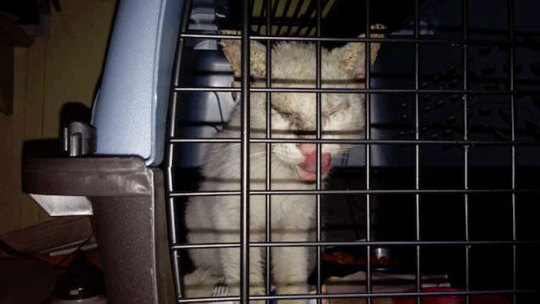
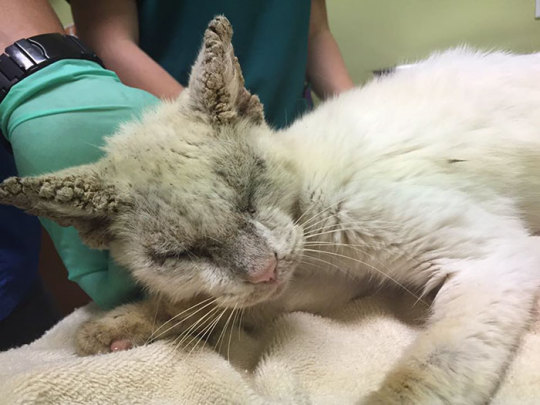
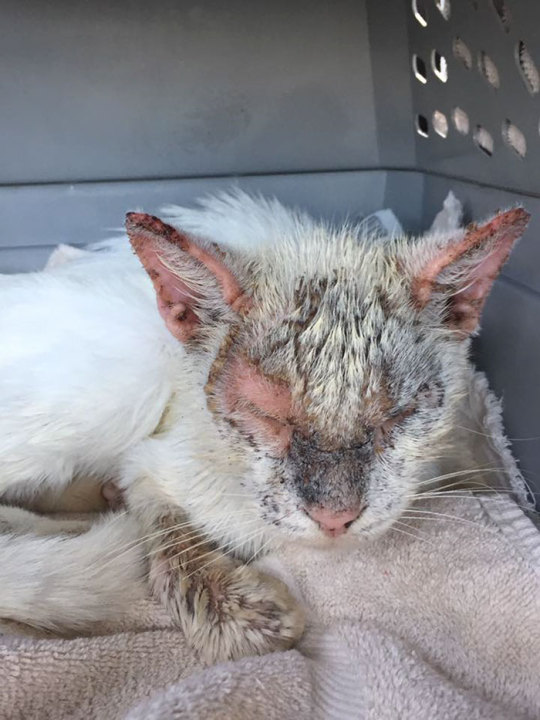
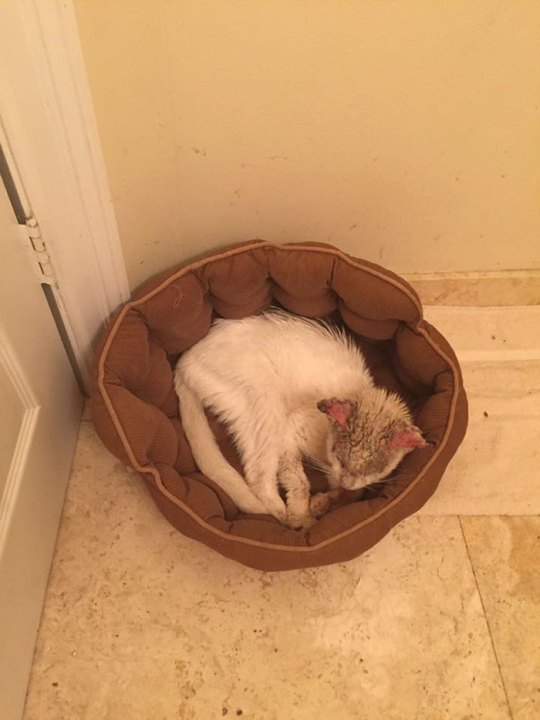
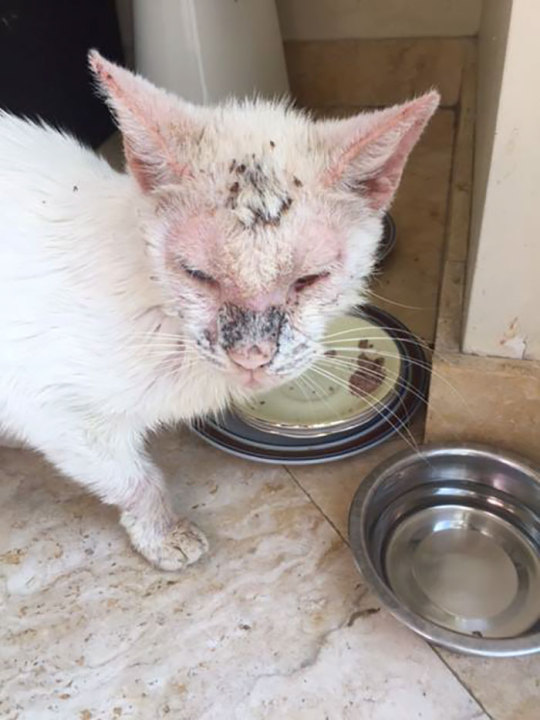
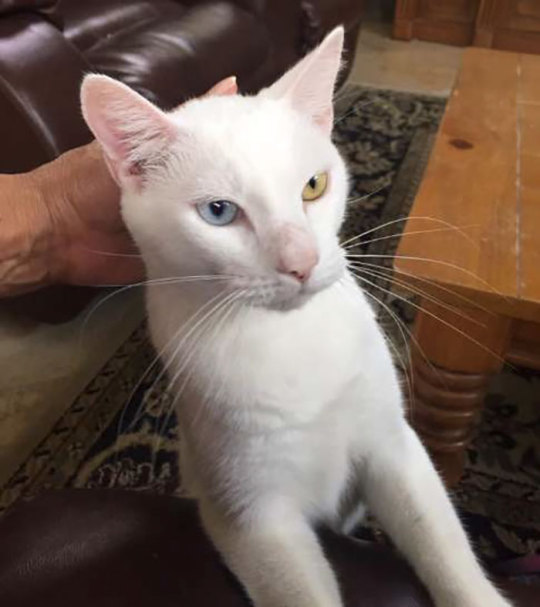
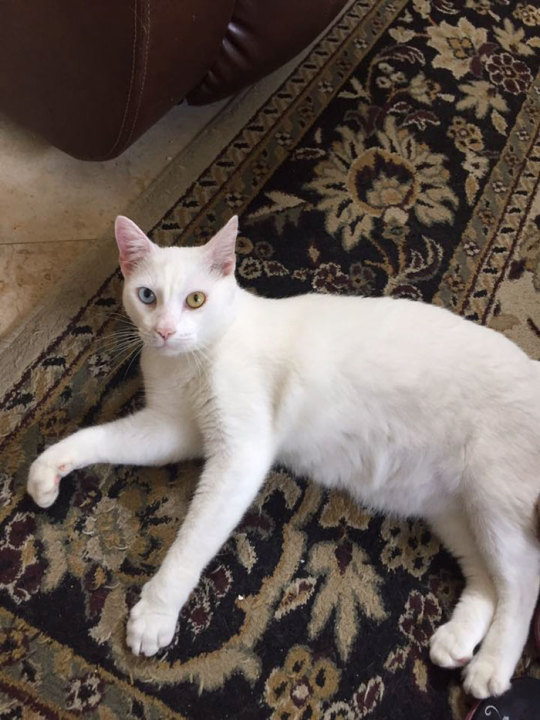
Cotton the cat was alone on the streets, starving, disease-ridden and close to death. His eyes were scabbed over with mange and he was being eaten alive by mites, finding any kind of food without the use of his eyes was next to impossible. But then his guardian angel arrived.
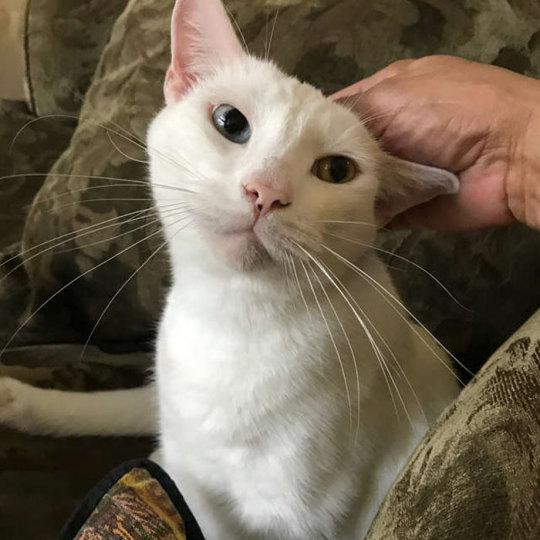
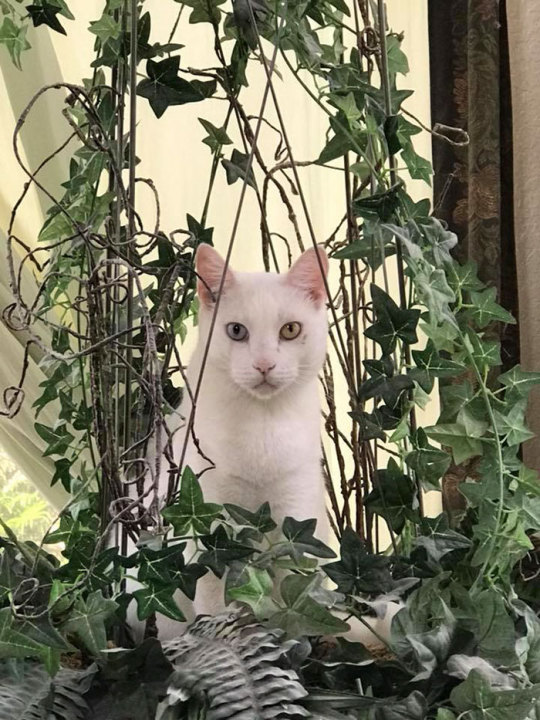
With lots of care, Cotton has finally opened his eyes




 The NewDugWood Daily Titbit